Lighthouse helpers

Knowing When to Sail Alone and When to Ask for Help
One of the most important emotional skills children can develop is recognising when they need support.
Young children are still learning to manage their feelings, and research shows that help-seeking is a key part of healthy emotional development.
The PSHE Association emphasises that children should learn to recognise when they need help and feel confident asking a trusted adult. Sometimes asking for help is the hardest part, so practising this when their emotions are spiking is important.
Developmental research also highlights the role of supportive relationships in building emotional resilience. The work of John Bowlby shows that children feel safer and more confident when they know help is available.
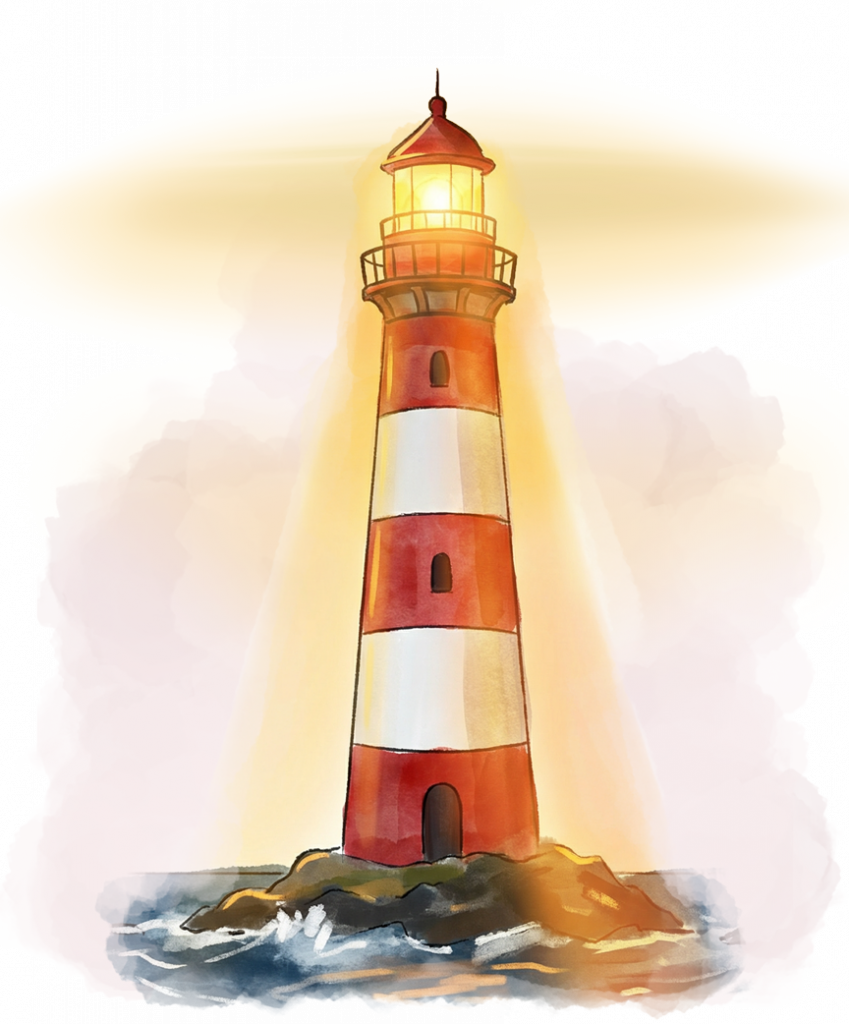

The Lighthouse Helpers activity helps children practise healthy help-seeking by teaching:
– Can I try a strategy myself?
– Do I need help from a trusted adult?
– Who would I go to for help?
– How could I ask that person for help?
This builds both independence and security — children learn that they are capable, but not alone.
How to do the lighthouse helpers activity
Explain what a lighthouse is and with with your child to write or draw people they feel safe with. This is their light house. The printable cards can be printed and cut out or talked through with your child.
Work out together If they can steer their own boat and practise a breathing technique.
If they choose lighthouse, the child chooses which lighthouse they would ask.
Links to the EYFS/KS1 Curriculum
The Lighthouse Helpers meets the following learning objectives outlined in the Key Stage 1 and Early Years Foundation Stage PSHE curriculum, relating to recognising key adults who they can trust and ways to ask for help with their emotions.
PSHE (KS1) H8: Pupils should be taught to recognise what they are good at and what they find difficult, and how asking for help is a sign of strength.
H13: Pupils should be taught to identify the people in their lives who care for them and keep them safe.
PSHE (EYFS) R11: Pupils should be taught to recognise that some problems are too big for children to manage alone and that it is important to ask for help from a trusted adult.
R12: Pupils should be taught to identify a range of people they could ask for help and understand that asking for help is positive.
More activities
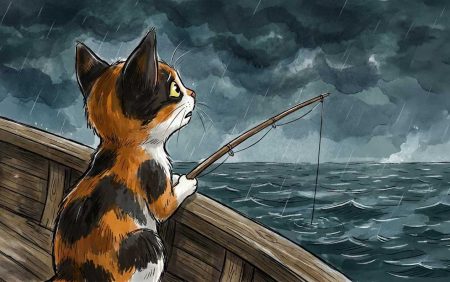
The storm scale activity
Understanding big and small feelings
The Storm Scale helps children recognise that feelings can vary in intensity — from small worries to overwhelming fear.
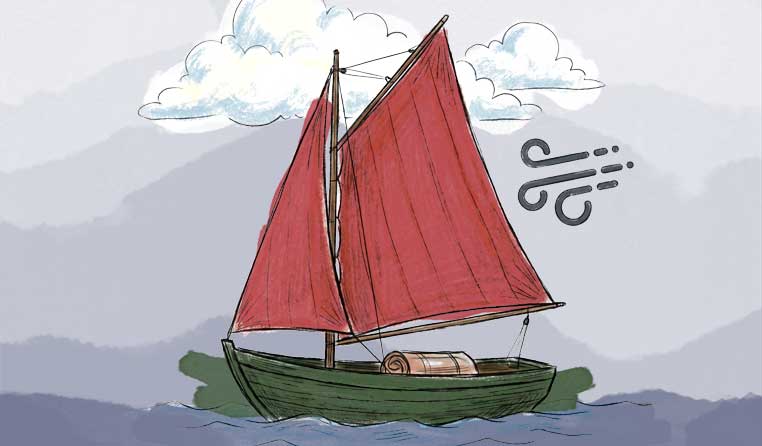
Breathing activity
Breathing exercises are one of the most effective ways to calm a busy body or troubled mind. This activity transports your child into Tiny Cat’s world to make breathing practice part of the adventure.
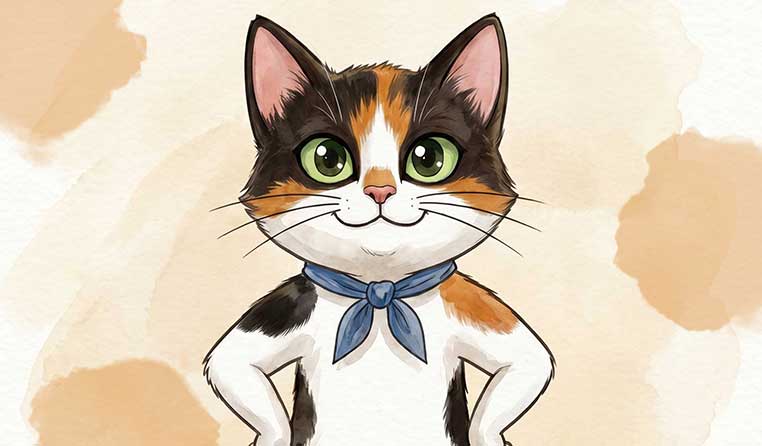
Expressions activity
Learning to recognise emotions on other people’s faces is an important part of how children develop empathy. In this activity, children discover what different emotions look like and try them out for themselves.
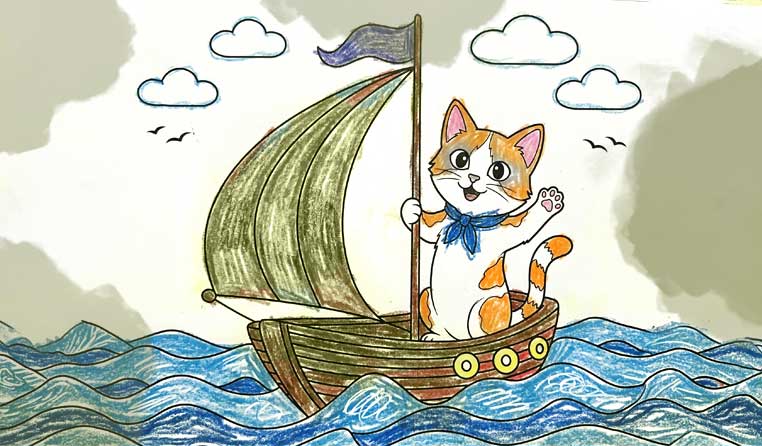
Colouring activities
Colouring helps children to slow down and be present in the moment. These colouring activities are designed to promote mindfulness while keeping little hands busy.
“Can you help write a quote for us?”