Make a Face

Recognising emotions in ourselves and others
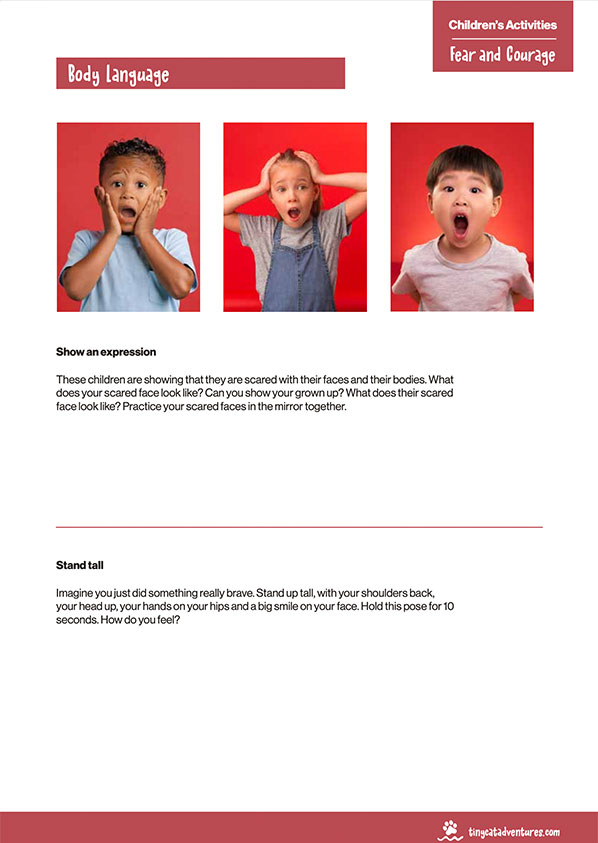
Activities that involve identifying or creating facial expressions help children develop emotional recognition — a key part of emotional intelligence.
Research shows that the ability to read facial expressions is closely linked to empathy and social understanding. Work by Paul Ekman demonstrates that recognising basic emotions through facial cues is a universal human skill, but one that develops over time in children.
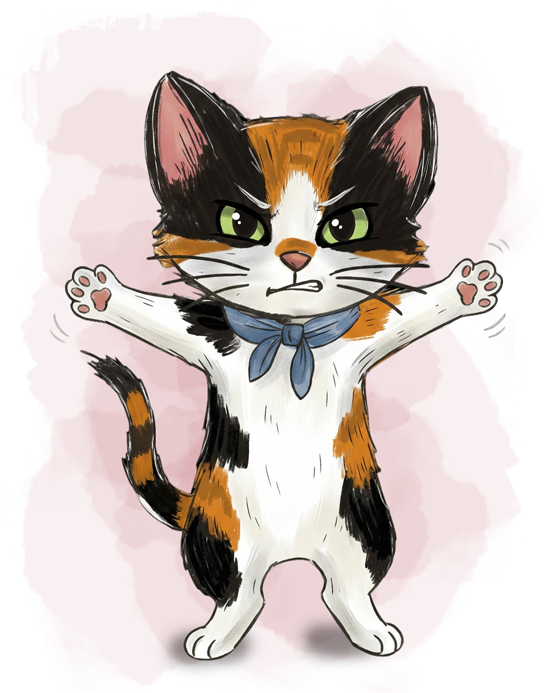
By drawing or choosing facial expressions, children begin to connect:
– How a face looks
– What emotion it represents
– How that feeling might be experienced
This supports both self-awareness and the ability to understand others, which are essential for building friendships and navigating social situations.
These activities help children put a visual language to feelings, making abstract emotions more concrete and easier to talk about.
A simple, supportive approach
There is no ‘right’ way for a child to feel.
The aim of these activities is to help children:
– understand their emotions
– feel safe expressing them
– learn simple ways to respond
By revisiting these ideas in different ways, children begin to:
– recognise familiar feelings
– remember strategies that help
– feel more confident managing emotions
Links to the EYFS/KS1 curriculum
PSHE (KS1): H11 – Recognise different emotions and how they affect people
PSHE (KS1): R1 – Recognise what makes them special and how they are the same or different to others
EYFS: Building Relationships – Show sensitivity to others’ needs and feelings
More activities
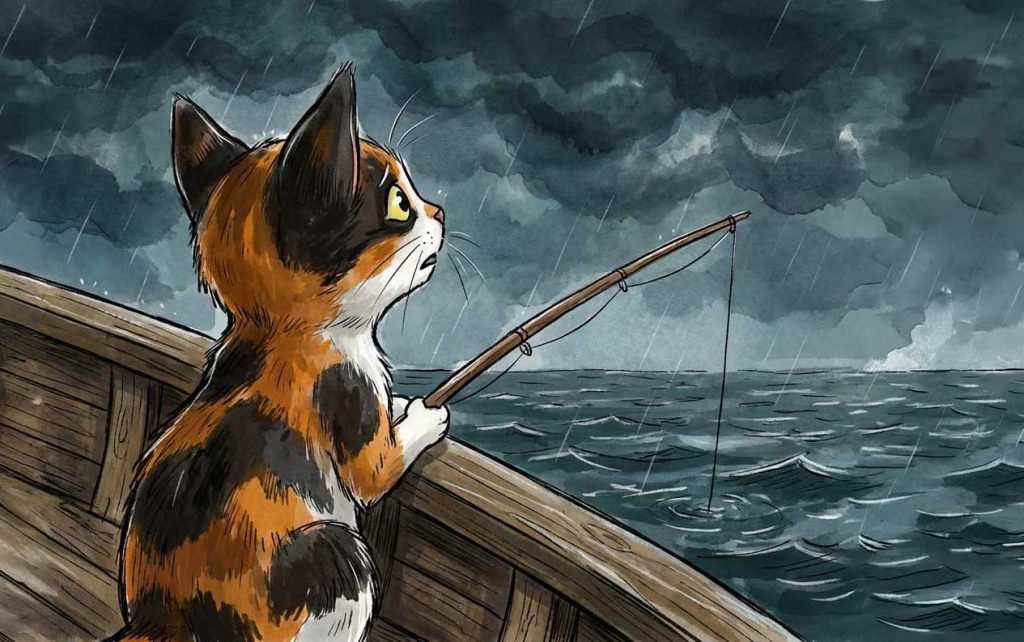
The storm scale activity
Understanding big and small feelings
The Storm Scale helps children recognise that feelings can vary in intensity — from
small worries to overwhelming fear.

Lighthouse helpers activity
Knowing when to ask for help.
One of the most important emotional skills children can develop is recognising when they need support.
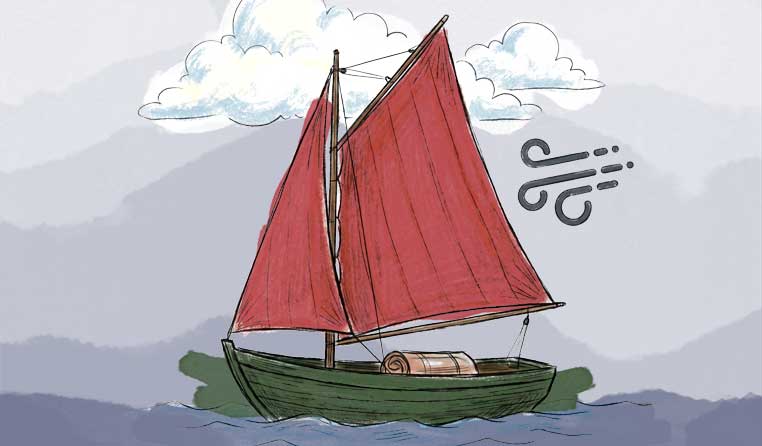
Breathing activity
Breathing exercises are one of the most effective ways to calm a busy body or troubled mind. This activity transports your child into Tiny Cat’s world to make breathing practice part of the adventure.
Colouring activities
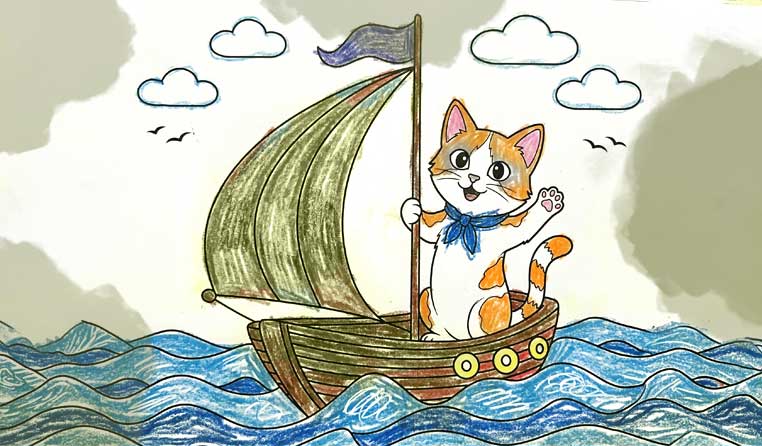
Colouring helps children to slow down and be present in the moment. These colouring activities are designed to promote mindfulness while keeping little hands busy.
“Help we need some quotes!”