Fear and Courage
The Storm Scale

Understanding big and small feelings
The Storm Scale helps children recognise that feelings can vary in intensity — from small worries to overwhelming fear.
Research shows that children benefit from learning that emotions are not all the same size. Being able to recognise whether a feeling is “a little” or “a lot” helps children respond more appropriately and reduces overwhelm. The PSHE Association highlights the importance of teaching children that emotions can change and range in intensity as part of early emotional development.
How to use the Storm Scale
This activity helps children recognise that fear comes in different shapes and sizes. At this age, children often experience the physical feeling of fear before they have the language for it.
By connecting what they are feeling to ‘the sea inside’, this activity provides a fun, playful way for your child to identify what is happening inside their body.
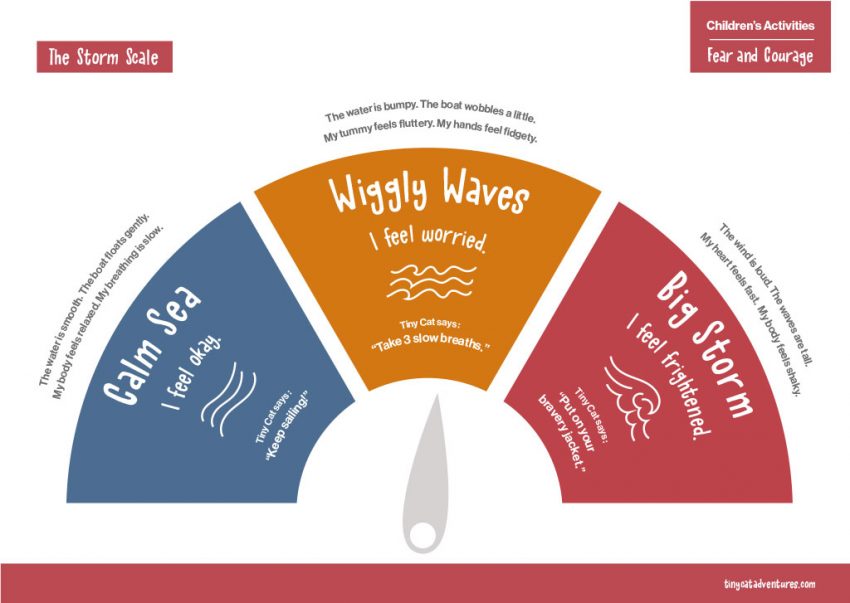
Next time your child seems unsettled, try asking:
“What kind of sea is your tummy right now?”
The child can point on the scale instead of needing to explain with words.
Calm Sea
Your child is feeling calm and safe. This is the perfect time to read the letter from Tiny Cat together and for your child to make a Brave Jacket.
Wiggly Waves
Your child is feeling a little bit unsettled. This is a good time to try the breathing or colouring activities.
Big Storm
Your child is feeling overwhelmed. Don’t try to do any activities or ask questions. Stay close and keep your voice calm. Give them time. The storm will pass.
Download and print out the Storm Scale
and keep it somewhere visible.
Is this a small wave or a big storm?
Over time, this builds a child’s ability to:
– Choose appropriate coping strategies
– Label and communicate their emotions
– Recognise their feelings more accurately
– Feel less overwhelmed by big emotions
Links to the EYFS/KS1 curriculum
The Storm Scale meets these learning objectives outlined in the EYFS PSHE curriculum, a particularly under resourced objective covering the intensity and graduation of feelings.
PSHE (KS1): H5 – Pupils should be taught to recognise that feelings can be experienced at different levels of intensity.
PSHE (EYFS) EY-H4: Pupils should be taught to begin to understand that feelings can change and vary in strength, and that this is normal.
Explore more activities
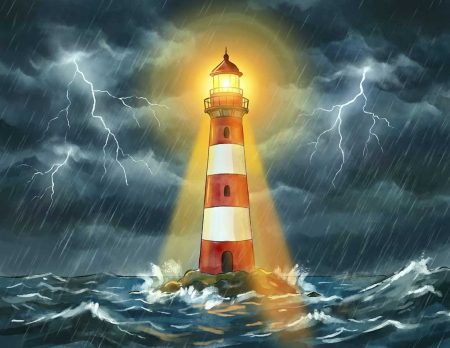
Lighthouse helpers activity
Knowing when to ask for help.
One of the most important emotional skills children can develop is recognising when they need support.
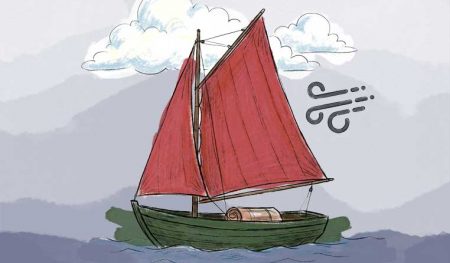
Breathing activity
Breathing exercises are one of the most effective ways to calm a busy body or troubled mind.
This activity transports your child into Tiny Cat’s world to make breathing practice part of the adventure.
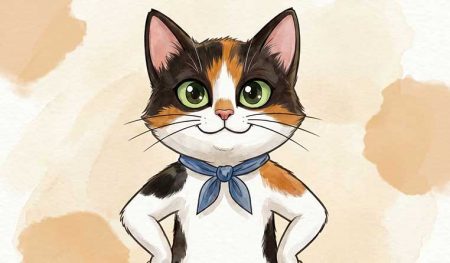
Expressions activity
Learning to recognise emotions on other people’s faces is an important part of how children develop empathy.
In this activity, children discover what different emotions look like and try them out for themselves.
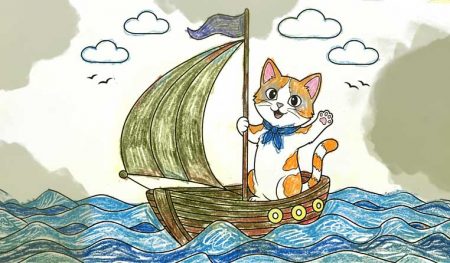
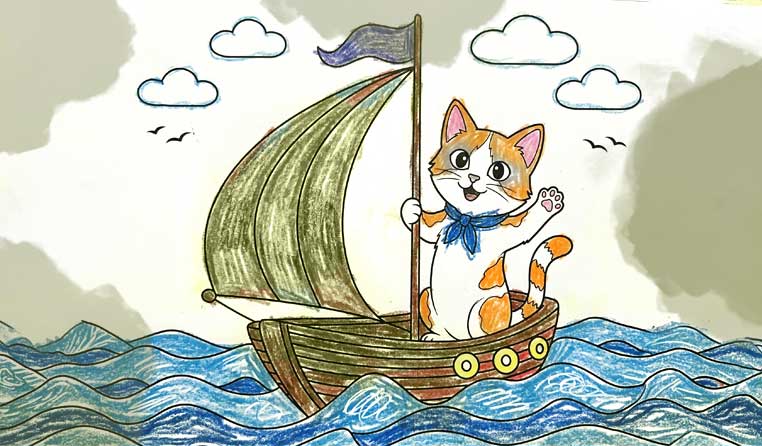
Colouring activities
Colouring helps children to slow down and be present in the moment.
These colouring activities are designed to promote mindfulness while keeping little hands busy.
” Can you provide us with a quote we can use?”
~ Thank you testers ~
Tiny Cats Letter
Exploring fear and courage in the tale of Tiny cat and the storm
Guidance
Helping make sense of feelings with helpful phases you can say to your child
Resources
For more resources such as books for children and adults and websites etc
The scale also supports emotional awareness by helping children pause and think:
Is this a small wave or a big storm?
Over time, this builds a child’s ability to:
– Choose appropriate coping strategies
– Label and communicate their emotions
– Recognise their feelings more accurately
– Feel less overwhelmed by big emotions
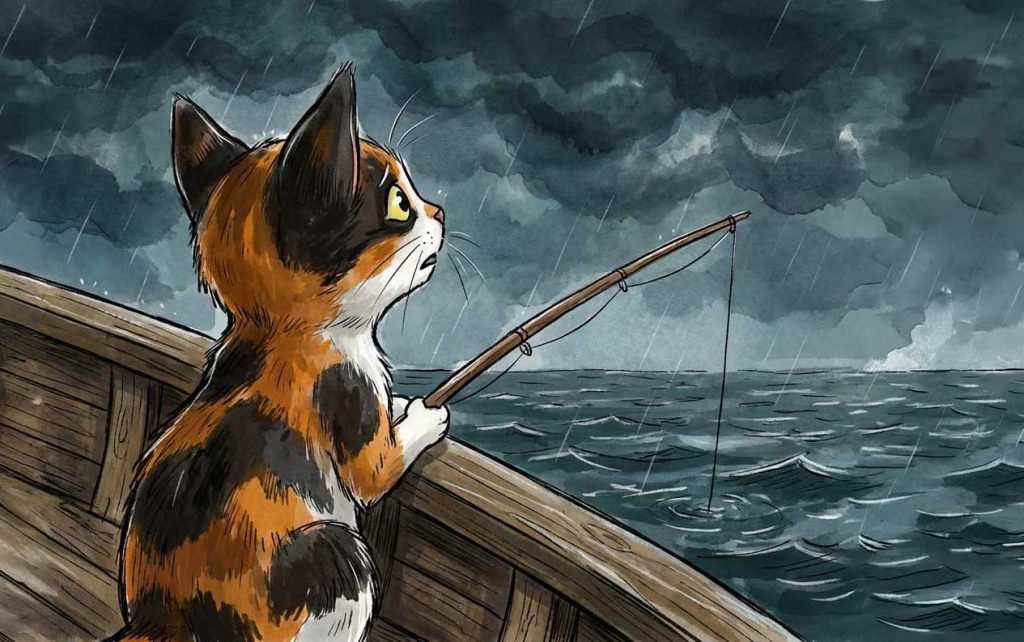
The Storm Scale
Understanding big and small feelings
The Storm Scale helps children recognise that feelings can vary in intensity — from small worries to overwhelming fear.
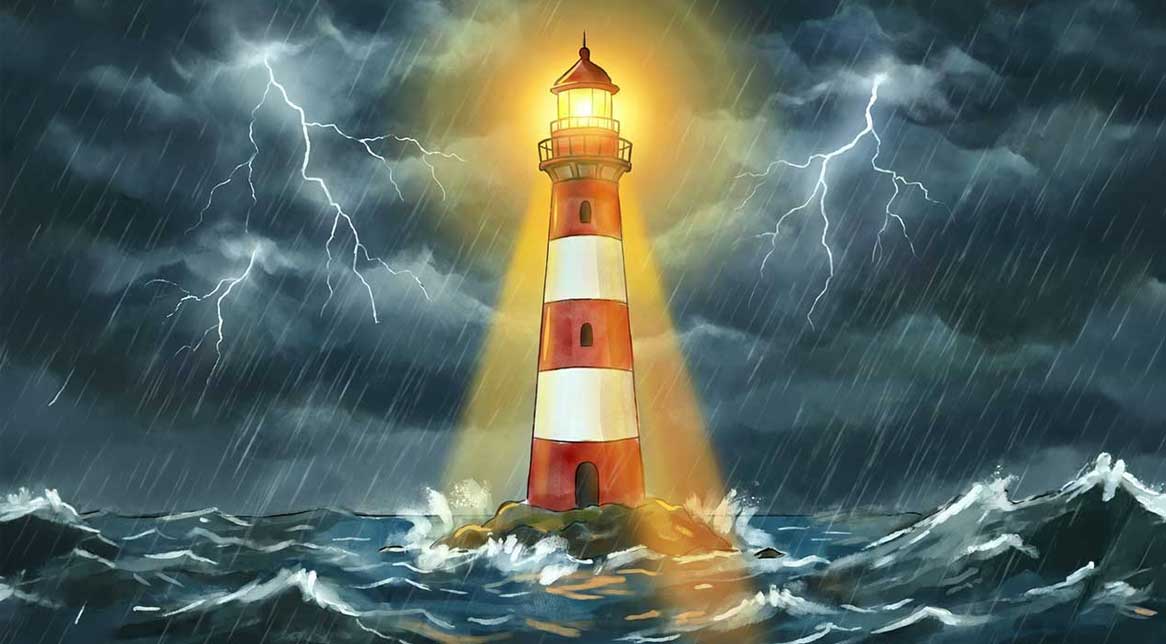
Lighthouse Helpers
Knowing when to ask for help
One of the most important emotional skills children can develop is recognising when they need support.
The scale also supports emotional awareness by helping children pause and think:
Is this a small wave or a big storm?
Over time, this builds a child’s ability to:
– Choose appropriate coping strategies
– Label and communicate their emotions
– Recognise their feelings more accurately
– Feel less overwhelmed by big emotions
You can print out The Storm Scale and keep it somewhere visible.
Next time your child seems unsettled, try asking:
“What kind of sea is your tummy right now?”
The child can move the scale instead of needing to explain with words.
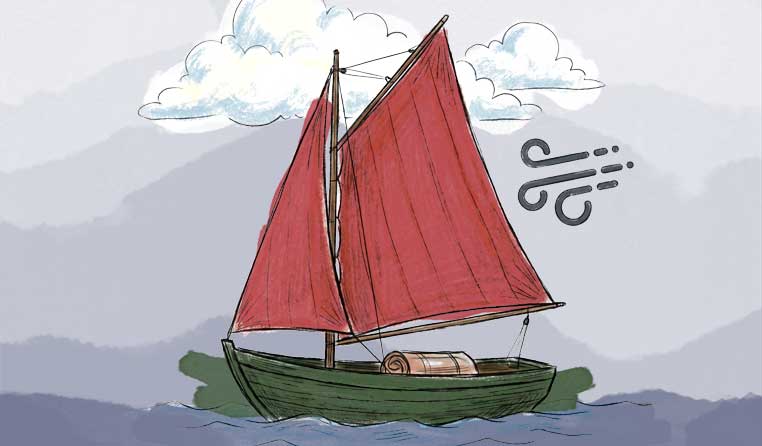
Breathing activity
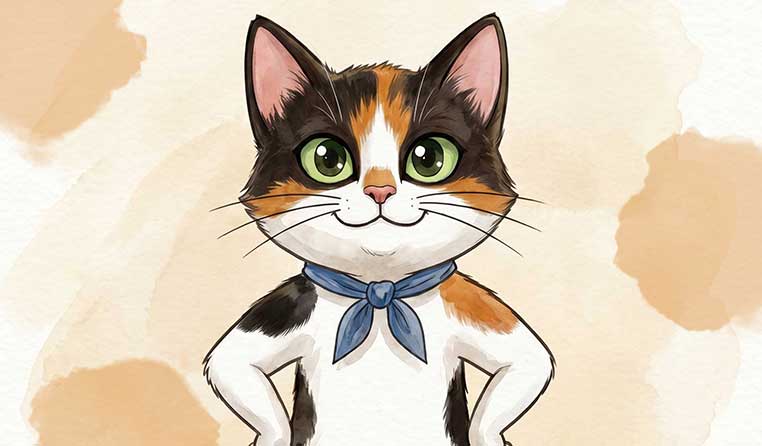
Expressions activity
Colouring activities
Curriculum based activities
Lighthouse Helpers
Knowing when to ask for help
One of the most important emotional skills children can develop is recognising when they need support.
5 min activities